
Understanding Paid-In Capital: Causes & Impact on Your Balance Sheet

As the third part of a balance sheet, stockholders' equity includes a section for paid-in capital, which encompasses any and all investments by investors and the company's founders. When they acquire shares of the company, it's recorded under paid-in capital in the balance sheet. Paid-in capital monetary value may increase mainly through issuance of common and preferred shares.
Issuance of New Shares
When a company is founded, the original founders and investors purchase shares of common class stocks, which is registered for paid-in capital as new journal entry. The share values are recorded at par value. If the company's board of directors decides to issue additional shares to finance a new capital expenditure or acquire another company, then a new journal entry is recorded to show the par value or stated value of the new shares in the balance sheet. However, the entry is adjusted upward as the market value of the shares in the primary market increases. This in turn increases the paid-in capital account in the balance sheet. Note how the stock price behaves in the secondary market, where the public buys and sells stocks, does not have any effect in the paid-in capital monetary value.
Issuance of Preferred Shares
Sometimes, companies decide not to issue additional common stock due to the market negative reaction for causing dilution in the equity value. Consequently, the management may vote to issue different classes of preferred shares with relevant provisions that may increase the paid-in capital total balance. Any new issuance of preferred shares may increase the paid-in capital as the excess value is recorded.
Stock Dividends
Finally, companies may decide to declare and distribute stock dividends rather than cash dividends. Doing so results in a decrease of retained earnings but an increase in paid-in capital. In other words, they just change the makeup of the stockholders' equity by transferring from a portion of retained earnings to paid-in capital. However, there is no change in the monetary value of stockholders' equity at all.
Capital Structure
Any alteration and variation between the portions of equity and debt impacts the capital structure of a company. Accordingly, when the capital structure is less than optimal, additional leverage through debt financing may affect the value of newly issued common and preferred shares. Consequently, this influences the total paid-in capital in the balance sheet.
-
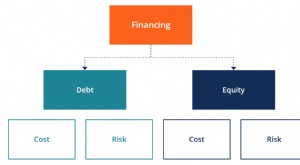
Understanding Business Financing: A Comprehensive Guide
Financing refers to the methods and types of funding a business uses to sustain and grow its operations. It consists of debtSenior and Subordinated DebtIn order to understand senior and subordinated d
-

Fixed Capital: Definition, Examples & Importance
Fixed capital, or fixed assets or capital assets, refers to a company’s long-term assets, such as land, buildings, or equipment that is used in producing goods or services. SummaryFix
investing
- Contributed Capital: Definition & Understanding | [Your Company Name]
- Basel I: Understanding Core Banking Regulations & Capital Requirements
- Understanding Capital: Types, Categories & Value Creation
- Capital Rationing: Definition, Strategy & Impact on Investment Decisions
- Cost of Capital: Definition, Calculation & Importance
- Venture Capital: Funding Startups & Understanding Equity
- Understanding Capital Losses: Definition, Calculation & Examples
- Understanding Mispricing: Market Prices vs. True Value
- Additional Paid-In Capital vs. Contributed Capital: Key Differences Explained
-
 Understanding Capital Gains Tax: A Comprehensive Guide
Capital gains tax is a tax imposed on capital gains or the profits that an individual makes from selling assets. The tax is only imposed once the asset has been converted into cash, and not when it&rs...
-
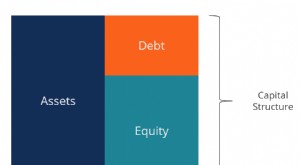 Understanding Capital Structure: Debt vs. Equity
Capital structure refers to the amount of debtMarket Value of DebtThe Market Value of Debt refers to the market price investors would be willing to buy a companys debt at, which differs from the book ...