
Understanding Stockholders' Equity: Factors & Impact
Equity is assets minus liabilities, or value minus debt. In a company, equity belongs to the owners, which for publicly traded companies means the shareholders. Anything on the balance sheet affects a company's equity, as any movement in assets and any movement in liabilities changes equity, unless the two move in lockstep. Increases in assets and decreases in liabilities raise stockholder equity, while decreases in assets and increases in liabilities lower equity.
Stockholder Equity
Stock is the initial capital that a company starts with. Owners own a portion (and are therefore stockholders), which gives them fractional rights to company profits. When a company goes public, it splits stock into tiny fractions and sells them on the open market. The fractions are called shares and often represent one-millionths of ownership of company stock -- or less. People who own shares are also stockholders, or shareholders. When a company is private, a small group of stockholders own company equity whereas a large group owns company equity in public companies.
Balance Sheet
Equity appears on a company's balance sheet. The balance sheet is a statement of all assets (things of value that the company owns) and all liabilities (responsibilities that the company has to send money out) and unsurprisingly is divided into two parts: assets and liabilities. The balance sheet lists all types of assets and liabilities along with their values and totals in the first two sections. The balance sheet reports the difference in the totals as "shareholder equity" in the last section.
Assets
Any change in assets affects equity. Rises in sales, accounts receivable (money that the company is owed but has not received), property and equipment values, cash and cash equivalents, for example, increases shareholder equity, assuming that the liabilities remain constant. Any decreases -- defaults on accounts receivable, lower valuations for property -- lowers equity.
Liabilities
Liabilities refer to a company's financial responsibilities, and any change in liabilities also affects equity. Accounts payable, short-term and long-term debt, inventory costs and other line items affect shareholder equity. An increase in money owed to suppliers, interest rates or inventory costs causes total liabilities to rise and, if assets stay constant, decreases shareholder equity. Likewise, any decrease in the amount of money that a company needs to pay out increases shareholder equity.
-
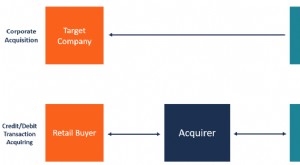
Acquirer Definition: Understanding Corporate Acquisitions
An acquirer is a registered company that purchases a portion of, or all the rights to, another company. The acquiring company takes over the management of another company by obtaining a majority stake
-
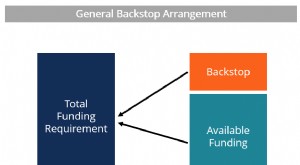
Backstop: Understanding Financial Safety Nets and Contingency Funding
A backstop is a financial arrangement that creates a secondary source of funds in case the primary source is not enough to meet current needs. It can also be thought of as an insurance policy that cov
investing
- Understanding Declining Stockholders' Equity: Causes and Implications
- Understanding Liquid Equity: A Guide to Company Stock
- Equity Valuation: A Comprehensive Guide for Investors
- Debt/Equity Swap: Understanding Financial Restructuring
- Equity Financing: A Comprehensive Guide for Business Growth
- Equity Multiplier: Definition, Calculation & Financial Significance
- Equity Ratio: Understanding Financial Leverage & Risk
- Understanding Stockholders Equity: A Comprehensive Guide
- Portfolio Companies: Definition & How Private Equity Uses Them
-
 Private Placement vs. Private Equity: Understanding the Differences
To fund its operating activities, a company can raise cash on financial markets, such as the New York Stock Exchange or Hong Kong Stock Exchange. The firm also can work with investment bankers to priv...
-
Contributed Capital: Definition & Understanding | [Your Company Name]
Contributed capital is one part of the owner's equity portion of a balance sheet. It is a measure of the amount of money initially invested in a company through the purchase of stock directly from...