
Understanding Administrative Expenses: A Comprehensive Guide
Administrative expenses refer to the costs incurred by a company or organization that include, but are not limited to, the salaries and benefitsRemunerationRemuneration is any type of compensation or payment that an individual or employee receives as payment for their services or the work that they do for an organization or company. It includes whatever base salary an employee receives, along with other types of payment that accrue during the course of their work, which of the administrative workers within the company or organization, as well as rent and managerial compensation. Also known as General and Administrative expenses, the costs are categorized separately from Sales & Marketing and Research costs.
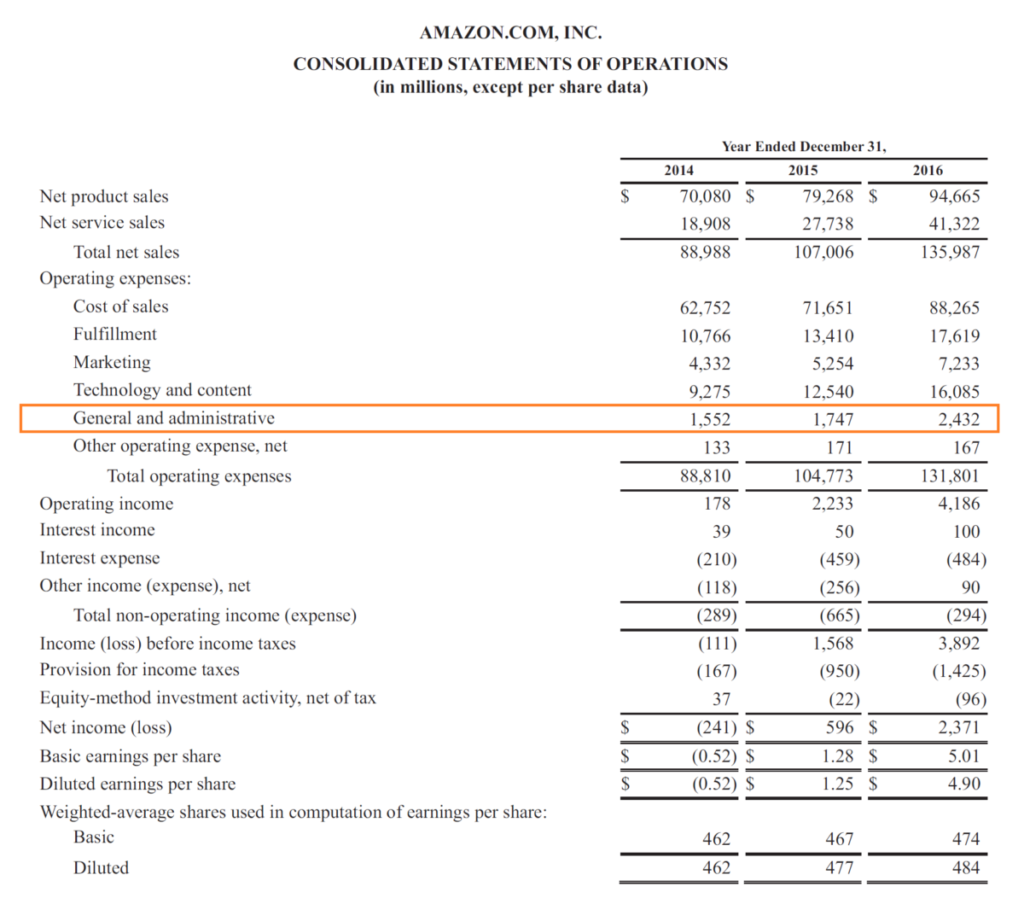
From an accounting perspective, administrative expenses are considered an indirect expense because they are not directly related to the manufacturing of a product, such as an engineer or assembly line worker.
Understanding Administrative Expenses
Administrative expenses can be found on the income statementIncome StatementThe Income Statement is one of a company's core financial statements that shows their profit and loss over a period of time. The profit or for the period upon which they occurred. As a business scales and grows, like in the case of a tech startup, the administrative expenses tend to remain stable and proportional, while the front-line workers and engineers tend to scale up in size, e.g., when there is an increase in production or a push to develop a new revolutionary piece of software/hardware.
Below is a more comprehensive list of different types of administrative expenses, and non-administrative expenses:
1. Administrative Expenses
- Managerial team
- IT team
- Executive compensation
- Rent of equipment and buildings
2. Non-Administrative Expenses
- Manufacturers
- Developers
- Engineers
- Sales Team
Administrative Expenses in Practice
If you are a small business owner or are attempting to launch a startup, understanding why operational, administrative, and sales expenses are often separated is crucial in budgeting and forecasting. Understanding where your expenses will grow and where they will stay stagnant will help you determine how to allocate capital and grow the business.
It can also help existing and potential investors see how you manage capital and that you, as a savvy business owner/entrepreneur, know how to properly scale and allocate resources.
Understanding Administrative Expenses as an Investor
As an investor looking to grow your savings, understanding a company’s administrative expenses can help you better evaluate how a company invests resources. It can help you know what proportion of their capital a company is spending on indirect or support expenses relative to direct operating costs, as well as to their relative cash position.
It is important to better understand and qualify a potential investment and ascertain whether a company’s operations are sustainable or headed towards financial distress. ROI is critical to any investor, and knowing how a company is allocating its administrative expenses is a crucial facet of being a successful and savvy investor.
Role in Audit
If your company successfully employed an accounting information systemAccounting Information System (AIS)An accounting information system (AIS) refers to tools and systems designed for the collection and display of accounting information so and is currently undergoing an audit, it is possible that the auditors may use the administrative expenses to trace the allocation of capital and payments to management and leadership. It can be done for a myriad of reasons, including simply a routine randomized audit.
Putting it Into Context: Building Compliance
The successful deployment of an accounting information system can allow a company to better track, scrutinize, and provide transparency towards its administrative expenses. It allows for greater trust and compliance and will boost investor and public confidence.
A well-categorized income statement that includes administrative expenses is a central facet for any company to build a culture of compliance that reflects inward and to the investing public at large.
Related Readings
CFI is the official provider of the Commercial Banking & Credit Analyst (CBCA)™Program Page - CBCAGet CFI's CBCA™ certification and become a Commercial Banking & Credit Analyst. Enroll and advance your career with our certification programs and courses. certification program, designed to transform anyone into a world-class financial analyst.
In order to help you become a world-class financial analyst and advance your career to your fullest potential, these additional resources will be very helpful:
- Fixed and Variable CostsFixed and Variable CostsCost is something that can be classified in several ways depending on its nature. One of the most popular methods is classification according
- Forensic Audit GuideForensic Audit GuideA forensic audit is a detailed audit of a company's records to be used in a court of law in a legal proceeding. Accountants, lawyers, and
- Projecting Income Statement Line ItemsProjecting Income Statement Line ItemsWe discuss the different methods of projecting income statement line items. Projecting income statement line items begins with sales revenue, then cost
- Investing: A Beginner’s GuideInvesting: A Beginner's GuideCFI's Investing for Beginners guide will teach you the basics of investing and how to get started. Learn about different strategies and techniques for trading
-

Headline Earnings: Understanding Core Business Performance
Headline earnings are a restatement of a company’s profit that removes the effect of one-time charges, write-downs, cost-cutting, and other extraordinary items like tax liabilities. Another way
-

Understanding Intangible Assets: Definition & Importance
According to the IFRS, intangible assets are identifiable, non-monetary assets without physical substance. Like all assets, intangible assets are expected to generate economic returns for the company
Accounting
- Understanding Operating Expenses (OpEx): A Comprehensive Guide
- Understanding Business Erosion: Causes, Risks & Prevention
- Understanding Non-Cash Expenses: A Comprehensive Guide
- Understanding Accounting Policies: A Guide for Businesses
- Understanding Accounts Expenses: A Comprehensive Guide
- Understanding Accrued Expenses: A Comprehensive Guide
- Understanding Maintenance Expenses: A Comprehensive Guide
- Understanding Operating Expenses (OPEX): A Comprehensive Guide
- Understanding Prepaid Expenses: Definition & Accounting
-
 Understanding Financial Assets: Definitions & Types
Financial assets refer to assets that arise from contractual agreements on future cash flowsCash Flow StatementA cash flow Statement contains information on how much cash a company generated an...
-
 Understanding Financial Statements: A Comprehensive Guide
Financial statements are the records of a company’s financial condition and activities during a period of time. Financial statements show the financial performance and strength of a companyCorpo...