
Par Value Explained: Understanding Bonds & Stocks
Par value is the nominal or face value of a bond, share of stock, or coupon as indicated on a bond or stock certificate. The certificate is issued by the lender and given to a borrower or by a corporate issuer and given to an investor. It is a static value determined at the time of issuance and, unlike market value, it doesn’t fluctuate.
A bond’s par value is the dollar amount indicated on the certificate, wherein the calculation of interest and the actual amount to be paid to lenders at maturity date is set. A share of stock’s par value is the minimum contribution amount made by investors to purchase one share at the time of issue.
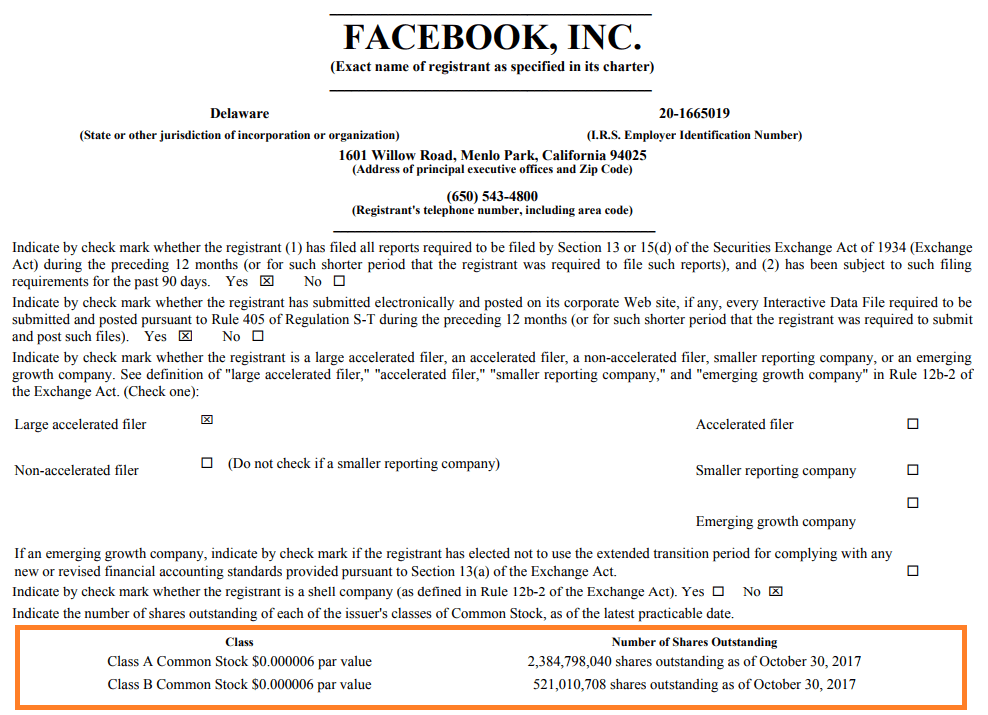
Par Value Example
Assume that Clinton Company issues a bond to the public worth $10M. Each one of the 10,000 bonds issued has a $1,000 par value. When each bond matures at a specified date, the company will pay back the value of $1,000 per bond to the lender.
In the case of shares of stocks, Clinton Company announces that it will offer 3000 shares of common stock and each stock will have a par value of $1. That is the minimum price at which any shares will be sold.
How to Determine the Par Value of a Share of Stock
There are a number of factors by which a company sets a par value for each common stock share offered. In an initial public offeringInitial Public Offering (IPO)An Initial Public Offering (IPO) is the first sale of stocks issued by a company to the public. Prior to an IPO, a company is considered a private company, usually with a small number of investors (founders, friends, family, and business investors such as venture capitalists or angel investors). Learn what an IPO is, the agreed value will have to meet the objectives of the company in these three areas:
- Initial capitalization target
- Number of public shares to be offered, as well as the ownership position of the initial owners
- Prediction of share price changes after shares are offered in the market
The objective of focusing on these areas is to achieve a robust, first day of trading, which does not disappoint the market players, analysts, and, most importantly, the new investors who are hoping that there will be a continuous increase in market value.
What is the Importance of Par Value?
For a company issuing a bond, the par value serves as a benchmark for pricing. When the bond is traded, the market price of the bond may be above or below par value, depending on factors such as the level of interest ratesInterest RateAn interest rate refers to the amount charged by a lender to a borrower for any form of debt given, generally expressed as a percentage of the principal. and the bond’s credit status.
A bond that is trading above par is being sold at a premium and offers a coupon rate higher than the prevailing interest rates. Investors will pay more, as the yield or return is expected to be higher. On the other hand, a bond that is trading below par is on a discount trade, has a lower interest rate than the current market and it is sold at a lower price.
Par value is likewise important to aspiring entrepreneurs, who are starting to form a corporation. The capitalization target is readily configured if the company will set a value for each stock offered. Shares of stock sold at a price above the par value would result in additional paid-in capital, reflected in the books of the company. Although the fluctuating market priceMarket PriceThe term market price refers to the amount of money for what an asset can be sold in a market. The market price of a given good is a point of convergence of stocks has no effect on the books, par value has a legal bind on part of the company to its investors – no shares will be sold below that price.
Related Readings
CFI is the official provider of the global Financial Modeling & Valuation Analyst (FMVA)Become a Certified Financial Modeling & Valuation Analyst (FMVA)®CFI's Financial Modeling and Valuation Analyst (FMVA)® certification will help you gain the confidence you need in your finance career. Enroll today!®Become a Certified Financial Modeling & Valuation Analyst (FMVA)®CFI's Financial Modeling and Valuation Analyst (FMVA)® certification will help you gain the confidence you need in your finance career. Enroll today! certification program, designed to help anyone become a world-class financial analyst. To keep advancing your career, the additional CFI resources below will be useful:
- Contributed surplusContributed SurplusContributed surplus is an account in the shareholders’ equity section of the balance sheet that reflects excess amounts collected from the
- Additional paid in capitalAdditional Paid In CapitalAdditional Paid In Capital (APIC) is the value of share capital above its stated par value and is listed under Shareholders' Equity on the balance sheet.
- Equity valueEquity ValueEquity value can be defined as the total value of the company that is attributable to shareholders. To calculate equity value follow, this guide from CFI.
- What is financial modeling?What is Financial ModelingFinancial modeling is performed in Excel to forecast a company's financial performance. Overview of what is financial modeling, how & why to build a model.
-

Negative Goodwill Explained: Understanding Bargain Purchases
The negative goodwill (NGW) amount, also known as the “bargain purchase” amount, is the difference between the purchase price paid for an asset and its actual fair market value.
-

Prepaid Lease Explained: Definition, Benefits & How It Works
A prepaid lease (or operating lease) is a contract to acquire the use of tangible assetsTangible AssetsTangible assets are assets with a physical form and that hold value. Examples include property, p
Accounting
- Understanding Financial Denomination: A Comprehensive Guide
- Understanding Equity: A Comprehensive Guide for Investors
- Face Value Explained: Definition, Examples & Importance
- Understanding Fair Value: Definition & Importance
- Understanding Money: Definition, History & Value
- Nominal Value Explained: Definition & Financial Significance
- Understanding Value Added: Definition & Business Applications
- What is Value Date?
- Understanding 'At Par': Definition & Implications in Finance
-
 Impaired Assets: Definition, Recognition, and Accounting Standards
An impaired asset is an accounting term that describes an asset with a recoverable value or fair market valueFair Market ValueThe fair market value (of a good or service being exchanged) refers to the...
-
 Market Value vs. Book Value: Understanding the Difference
In this article, we will discuss market value vs book value and determine the key similarities and differences between them. Market value and book value are fundamental concepts in accounting and fina...