
Prepaid Lease Explained: Definition, Benefits & How It Works
A prepaid lease (or operating lease) is a contract to acquire the use of tangible assetsTangible AssetsTangible assets are assets with a physical form and that hold value. Examples include property, plant, and equipment. Tangible assets are, which include plant, equipment, and real estate. The transaction typically includes the contractual obligation to use the assets over the long term.

The party leasing the asset (lessee) is often provided with an option to buy the asset right after the lease term finally ends. The lessor can typically get about 80% or even 90% of the fair value of the leased asset if there is an up-front rent payment made. If the asset is intended for long-term use, the prepaid lease can reduce the present value of the tax liability Accounting For Income TaxesIncome taxes and their accounting is a key area of corporate finance. There are several objectives in accounting for income taxes and optimizing a company's valuation.of the lessor by about 50%.
What are the Core Requirements?
There are core requirements for a prepaid lease. First is the lease term. It should not go beyond 80% of the remaining life of the asset. The next requirement is the residual value, which is the estimated fair value of the asset when the lease term ends. The residual value should be 20% of the original cost of the asset.
The last requirement is the purchase option. If the lessee wishes to purchase the asset, it must be for a reasonable amount. There cannot be a bargain purchase option. If these requirements are not met, then the lease will be considered a capital lease and is treated differently for accounting purposes.
Benefits and Considerations of Prepaid Lease
There are several benefits from utilizing a prepaid lease. Lessors can get up to about 80% to 90% of the fair value of the asset. The value of assets that have long-term useful life can be maximized. On top of that, the rental income can also be amortized over the term of the lease.
In as much as there are benefits, there are also considerations. For example, a lessee does not get legal title to the specific asset unless the option to purchase is exercised at the end of the lease. The lessee may also want to weigh the value to see the difference between the value of deductions in the rental and the tax depreciation. Another key issue with a prepaid lease is that the lessee is subjected to the risk that the lessor will go bankruptBankruptcyBankruptcy is the legal status of a human or a non-human entity (a firm or a government agency) that is unable to repay its outstanding debts.
Related Readings
CFI offers the Financial Modeling & Valuation Analyst (FMVA)Become a Certified Financial Modeling & Valuation Analyst (FMVA)®CFI's Financial Modeling and Valuation Analyst (FMVA)® certification will help you gain the confidence you need in your finance career. Enroll today!®Become a Certified Financial Modeling & Valuation Analyst (FMVA)®CFI's Financial Modeling and Valuation Analyst (FMVA)® certification will help you gain the confidence you need in your finance career. Enroll today! certification program for those looking to take their careers to the next level. To keep learning and advancing your career, the following CFI resources will be helpful:
- Income StatementIncome StatementThe Income Statement is one of a company's core financial statements that shows their profit and loss over a period of time. The profit or
- Balance SheetBalance SheetThe balance sheet is one of the three fundamental financial statements. The financial statements are key to both financial modeling and accounting.
- Current RatioFinanceCFI's Finance Articles are designed as self-study guides to learn important finance concepts online at your own pace. Browse hundreds of articles!
- Projecting Balance Sheet ItemsProjecting Balance Sheet Line ItemsProjecting balance sheet line items involves analyzing working capital, PP&E, debt share capital and net income. This guide breaks down how to calculate
-
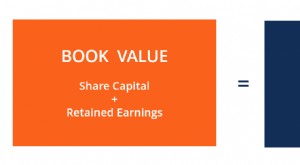
Understanding Book Value: A Key Financial Metric
Book value is a company’s equity value as reported in its financial statementsThree Financial StatementsThe three financial statements are the income statement, the balance sheet, and the statem
-

Understanding Fair Market Value: A Comprehensive Guide
The fair market value (of a good or service being exchanged) refers to the price at which both transacting parties (the buyer and the seller of that good or service) have agreed to independently.
Accounting
- Understanding Financial Denomination: A Comprehensive Guide
- Understanding Equity: A Comprehensive Guide for Investors
- Face Value Explained: Definition, Examples & Importance
- Understanding Fair Value: Definition & Importance
- Understanding Money: Definition, History & Value
- Understanding Leases: Types, Classifications, and Key Concepts
- Operating Lease Explained: Benefits & How They Work
- Par Value Explained: Understanding Bonds & Stocks
- Prepaid Lease Explained: Definition, Benefits & How It Works
-
 Value at Risk (VaR): Understanding Investment Risk
Value at risk is a method that is used to determine the possible risk of loss for a particular type of investment. This is a strategy that attempts to determine what the worst-case scenario is f...
-
Value Investing: A Comprehensive Guide to Finding Undervalued Investments
Value investing, as the name suggests, consists of finding investments that are good value for money. A value investor actively seeks out stocks, bonds or other investments that he or she believes hav...