
Farmland Investing: A Sustainable Alternative Asset Class
Farmland refers to land that is specifically used for growing crops or raising livestock and that has been allocated in zoning laws for agricultural purposes. Investing in farmlands is one of the ways that investors can benefit from the increasing demand for food and other essential resources. The growing demand for food continues to put pressure on farmers to produce huge volumes of food to feed the growing population.
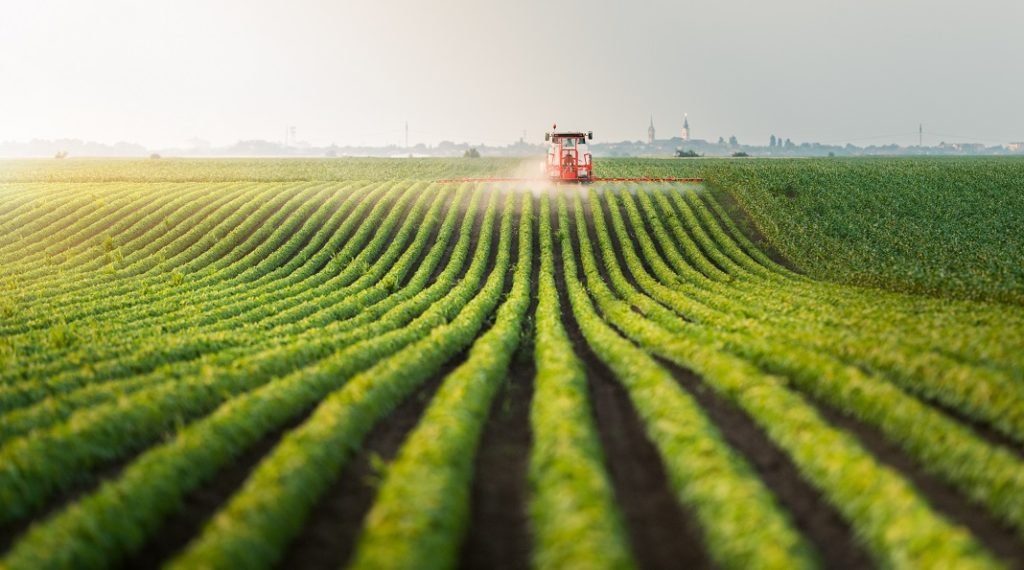
With industrialization and urbanization encroaching on dwindling agricultural land, regions with large tracks of fertile agricultural land provide attractive investment opportunities for investors due to their potentially high returns on investmentsReturn on Investment (ROI)Return on Investment (ROI) is a performance measure used to evaluate the returns of an investment or compare efficiency of different investments. and as a hedge for inflationInflationInflation is an economic concept that refers to increases in the price level of goods over a set period of time. The rise in the price level signifies that the currency in a given economy loses purchasing power (i.e., less can be bought with the same amount of money)..
Summary
- Farmland refers to agricultural land that is specifically used to grow a variety of crops or rear livestock.
- Investors can invest in agricultural land by buying farmlands directly, buying shares in farmland REITs, or owning shares in hedge funds that include farmlands in their portfolio.
- Investors invest in farmlands as a hedge against inflation, since agricultural lands are not affected by price movements in financial markets.
How to Invest in Farmlands
Below are some of the ways that investors can use to invest in farmlands as an alternative investment:
1. Purchase a farmland directly
One of the easiest ways to invest in farmland is to purchase land directly from the landowner or through a real estate agent. It gives the investor total control over the farmland, and they can make decisions on what to plant and how to allocate the various sub-sections of the land to different types of crops or livestock.
Farmland prices have increased sharply over the years, and the prices start anywhere from $2,000 per acre in the states of Nebraska, Lowa, and Illinois. The corn belt region remains the most expensive farm real estate, and prices start from $6,430 per acre. When buying farmland, potential buyers should consider water availability, soil type, proximity to local markets and processing companies, as well as the buildings on the land.
2. Invest in farmland REITs
An investor interested in investing in farmlands without actually acquiring the land can purchase shares in a real estate investment trust that is focused on such type of lands. Farmland REITs purchase large tracks of prime acreage and then lease them to the local farmers. The companies may purchase already cultivated land or raw agricultural land in different geographic locations.
Buying land in such companies provides farmers more diversification since they can own stakes in multiple farmlands spread across several states, rather than owning just one parcel of land. Public farmland REITs also offer investors greater liquidityLiquidityIn financial markets, liquidity refers to how quickly an investment can be sold without negatively impacting its price. The more liquid an investment is, the more quickly it can be sold (and vice versa), and the easier it is to sell it for fair value. All else being equal, more liquid assets trade at a premium and illiquid assets trade at a discount. because they can sell their shares on a public stock exchange.
3. Buy shares in hedge funds
Investors can also buy shares in hedge fundsHedge FundA hedge fund, an alternative investment vehicle, is a partnership where investors (accredited investors or institutional investors) pool that invest in farmlands. In recent years, there has been an increase in the number of hedge funds adding farmlands to their investment portfolios. Such types of investments can be used to hedge against future inflations and make profits from increasing agricultural food prices. In such a way, investors get to benefit from capital appreciation of the farmland real estate, as well as receive a steady income from the sale of farm produce.
Hedge funds may acquire farmlands both in the United States, as well as in foreign countries, and operate the farms directly or work with local farmers to grow crops on those farms.
Key Features of Farmland Investments
Over the past two decades, investments in farmland real estate have achieved relatively higher returns compared to other investments such as stocks and bonds. The following key features make agricultural lands an attractive alternative investment for investors:
1. Diversification potential
Adding farmlands to a portfolio of investments can help investors reduce the volatility of their investments because agricultural land has been shown to have a low correlation to the price movements of stocks and bonds. Holding a diversified portfolio of agricultural land spread across multiple geographical regions can reduce risk exposure, since the risk is spread across a large number of cash crops, farm animals, climates, etc.
2. Consistent high returns
According to data obtained from the NCREIF Farmland Index, agricultural land has outperformed other investments such as stocks and bonds on an annualized basis for the past 50 years. The consistently high returns are attributable to the steady income streams, capital appreciation of the land real estate, and lower land valuations in emerging economies. Also, the ability to grow a variety of crops in multiple farmlands spread across different geographic regions reduces the risk exposure, in case the prices of one crop falls below the market price.
3. Hedge against inflation
With the increased demand for food commodities globally, investors are continually investing in land as a hedge against inflation. Land is a good capital preservation tool, and its value has increased consistently over the past two decades, making it an ideal investment for investors who are concerned about the inflationary government policies that directly affect other investments such as stocks and bonds. Most of the time, farmlands tend to perform better than the inflation rate, and more than other investments such as stock, bonds, and indexes can.
More Resources
CFI is the official provider of the Financial Modeling and Valuation Analyst (FMVA)™Become a Certified Financial Modeling & Valuation Analyst (FMVA)®CFI's Financial Modeling and Valuation Analyst (FMVA)® certification will help you gain the confidence you need in your finance career. Enroll today! certification program, designed to transform anyone into a world-class financial analyst.
To keep learning and developing your knowledge of financial analysis, we highly recommend the additional resources below:
- Capitalization RateCapitalization RateThe capitalization rate (Cap Rate) is used in real estate, refers to the rate of return on a property based on the net operating income of the property
- Investing: A Beginner’s GuideInvesting: A Beginner's GuideCFI's Investing for Beginners guide will teach you the basics of investing and how to get started. Learn about different strategies and techniques for trading
- Real Estate Joint VentureReal Estate Joint VentureA Real Estate Joint Venture (JV) plays a crucial role in the development and financing of most large real estate projects.
- Redundant AssetsRedundant AssetsRedundant assets are assets that generate income for the business but that are not essential to the normal operations of the business.
-
Brownfield Investment: Definition, Benefits & Examples
In economics, a brownfield investment (BI) is a type of foreign direct investment (FDI)Foreign Direct Investment (FDI)Foreign direct investment (FDI) is an investment from a party in one country into
-
Greenfield Investment: Definition, Advantages & Examples
In economics, a greenfield investment (GI) refers to a type of foreign direct investment (FDI)Foreign Direct Investment (FDI)Foreign direct investment (FDI) is an investment from a party in one countr
invest
- Alternative Investments: A Comprehensive Guide to Tangible & Financial Assets
- Understanding Investments: A Beginner's Guide to Growth & Income
- AIM Explained: Investing in High-Growth Companies on the London Stock Exchange
- Annual Return: Definition, Calculation & Understanding
- Understanding Drawdowns: A Key Investment Risk
- Understanding Investment Horizon: A Comprehensive Guide
- Timberland Investment: A Guide to Growing Wealth with Trees
- Investment Trusts Explained: A Comprehensive Guide
- Hedging Explained: Protect Your Investments from Risk
-
 Non-Qualifying Investments: Understanding Tax Implications
A non-qualifying investment is a type of investment that can never be subject to any tax benefits. Tax benefits include deductions, exemptions, and credits. The benefits are used to reduce taxable inc...
-
 Portfolio Planning: A Comprehensive Guide to Investment Strategies
Portfolio planning is the process of strategizing the construction of an investment portfolio. The investment portfolio should be encompassing of the investor’s risk toleranceRisk ToleranceRisk ...