
Preferred Habitat Theory in Bond Markets: An Explanation
The preferred habitat theory states that the market for bonds is ‘segmented’ by term structure and that bondBondsBonds are fixed-income securities that are issued by corporations and governments to raise capital. The bond issuer borrows capital from the bondholder and makes fixed payments to them at a fixed (or variable) interest rate for a specified period. market investors have preferences for these segments. According to the theory, bond market investors prefer to invest in a specific part or ‘habitat’ of the term structure.
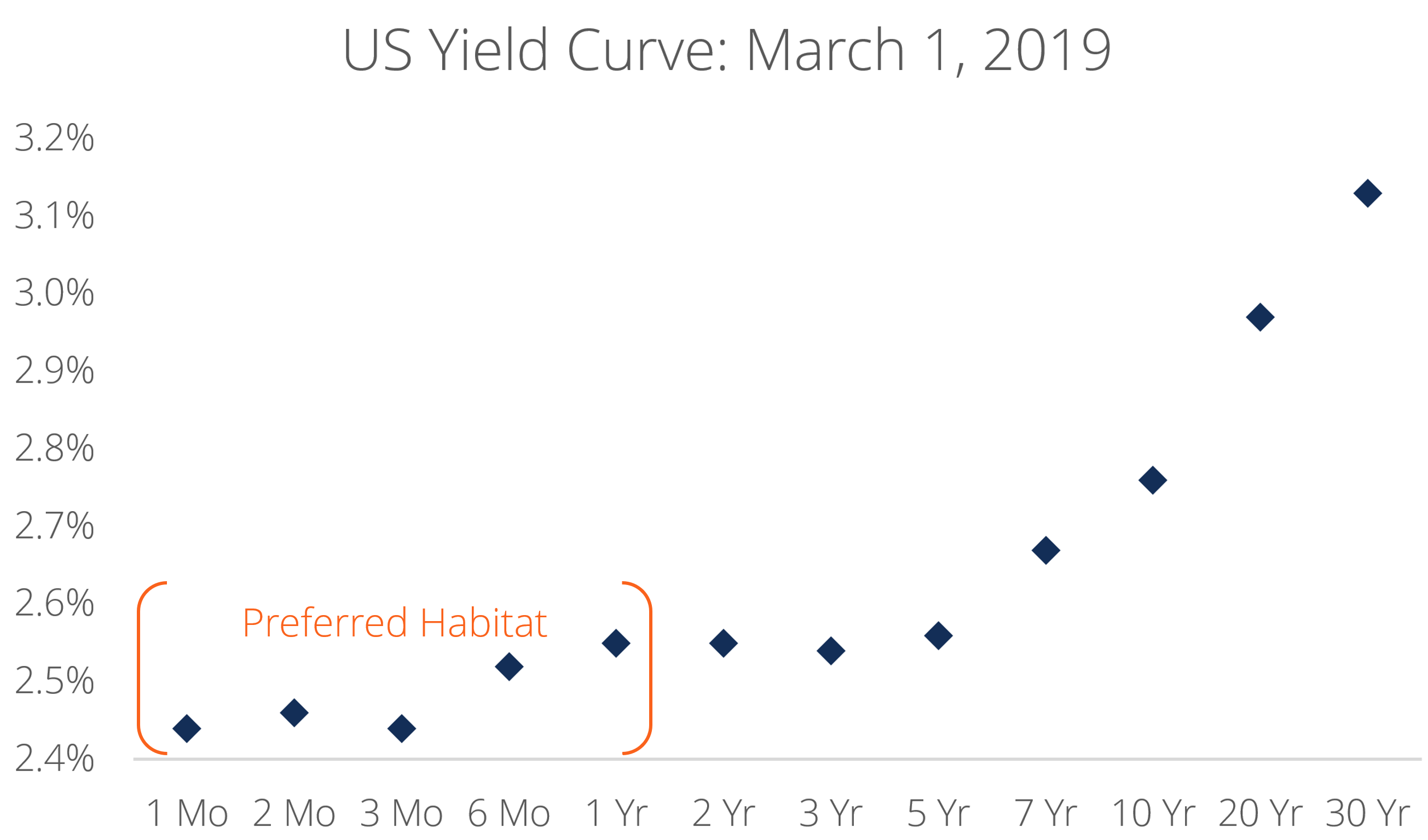
The preferred habitat theory was introduced by Italian-American economist Franco Modigliani and the American economic historian Richard Sutch in their 1966 paper entitled, “Innovations in Interest Rates Policy.” It is a combination of Culbertson’s segmented markets theorySegmented Markets TheoryThe segmented markets theory states that the market for bonds is “segmented” on the basis of the bonds’ term structure, and that they operate independently. and Fisher’s expectations theoryLocal Expectations TheoryIn finance and economics, the Local Expectations Theory is a theory that suggests that the returns of bonds with different maturities should be the same over the short-term investment horizon. Essentially, the local expectations theory is one of the variations of the pure expectations theory.
What is Term Structure?
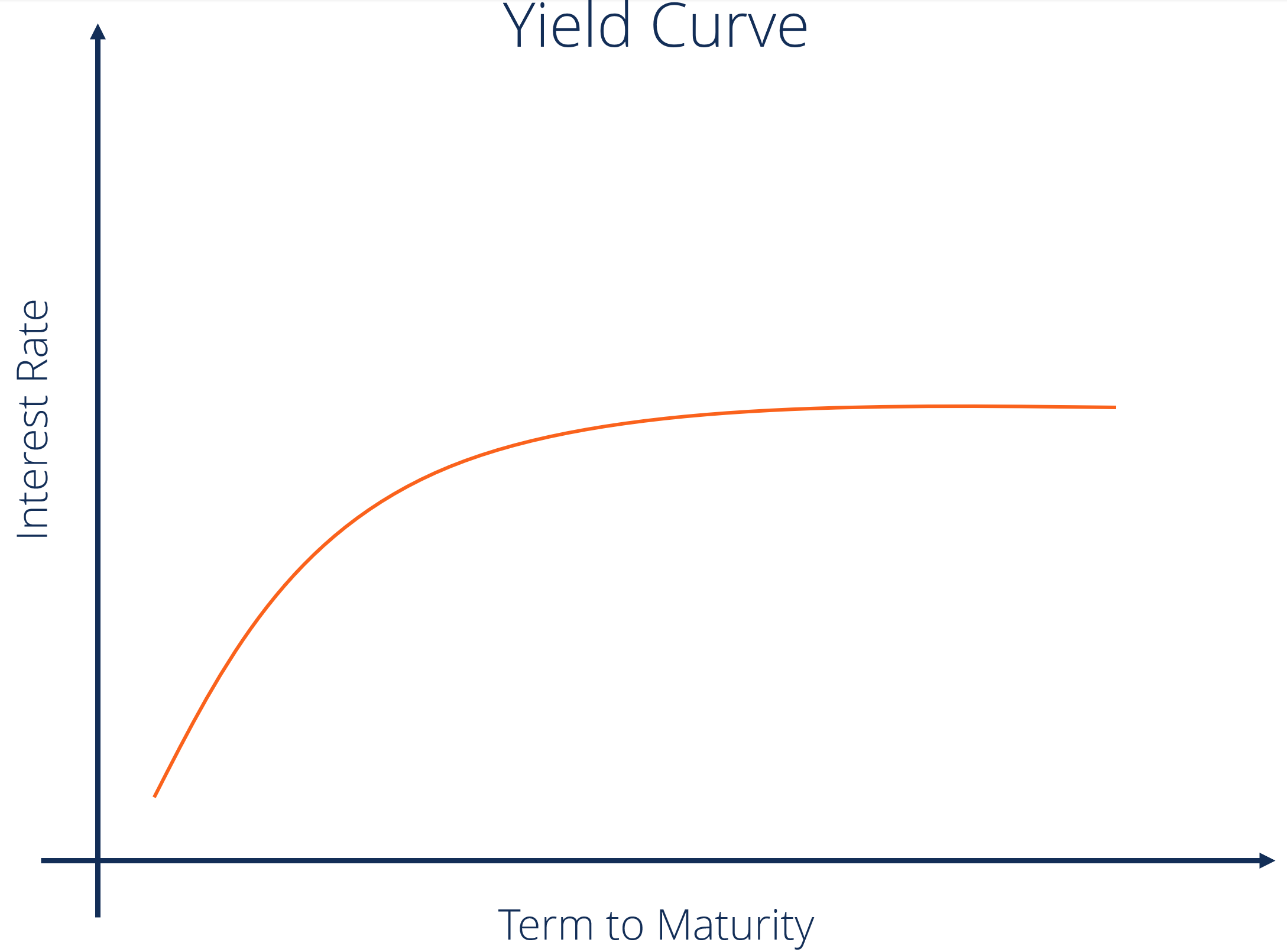
Term structure, also known as the yield curveYield CurveThe Yield Curve is a graphical representation of the interest rates on debt for a range of maturities. It shows the yield an investor is expecting to earn if he lends his money for a given period of time. The graph displays a bond's yield on the vertical axis and the time to maturity across the horizontal axis. when graphed, is the relationship between the interest rate of an asset (usually government bonds) and its time to maturity. Interest rateInterest RateAn interest rate refers to the amount charged by a lender to a borrower for any form of debt given, generally expressed as a percentage of the principal. is measured on the vertical axis and time to maturity is measured on the horizontal axis.
Normally, interest rates and time to maturity are positively correlated. Therefore, interest rates rise with an increase in the time to maturity. It results in the term structure assuming a positive slope. The yield curve is often seen as a measure of confidence in the economy for the bond market.
1. Segmented Markets Theory
The segmented markets theory states that the market for bonds is ‘segmented’ on the basis of the bonds’ term structure and that the ‘segmented’ markets operate more or less independently. Under the segmented markets theory, the return offered by a bond with a specific term structure is determined solely by the supply and demandSupply and DemandThe laws of supply and demand are microeconomic concepts that state that in efficient markets, the quantity supplied of a good and quantity for that bond and independent of the return offered by bonds with different term structures.
2. Expectations Theory
The expectations theory claims that the return on any long-term fixed income security must be equal to the expected return from a sequence of short-term fixed income securitiesFixed Income SecuritiesFixed income securities are a type of debt instrument that provides returns in the form of regular, or fixed, interest payments and repayments of the. Therefore, any long-term fixed income security can be recreated using a sequence of short-term fixed income securities.
Learn more about fixed income securities with CFI’s Fixed Income Fundamentals Course!
Preferred Habitats in Investing
The preferred habitat theory states that bond market investors demonstrate a preference for investment timeframesInvestment HorizonInvestment horizon is a term used to identify the length of time an investor is aiming to maintain their portfolio before selling their securities for a profit. An individual’s investment horizon is affected by several different factors. However, the primary determining factor is often the amount of risk that the investor, and such preference dictates the slope of the term structure. Bond market investors require a premium to invest outside of their ‘preferred habitat’.
For example, an investor favoring short-term bonds to long-term bonds will only invest in long-term bonds if they yield a significantly higher return relative to short-term bonds. Conversely, an investor favoring long-term bonds to short-term bonds will only invest in short-term bonds if they yield a significantly higher return relative to long-term bonds.
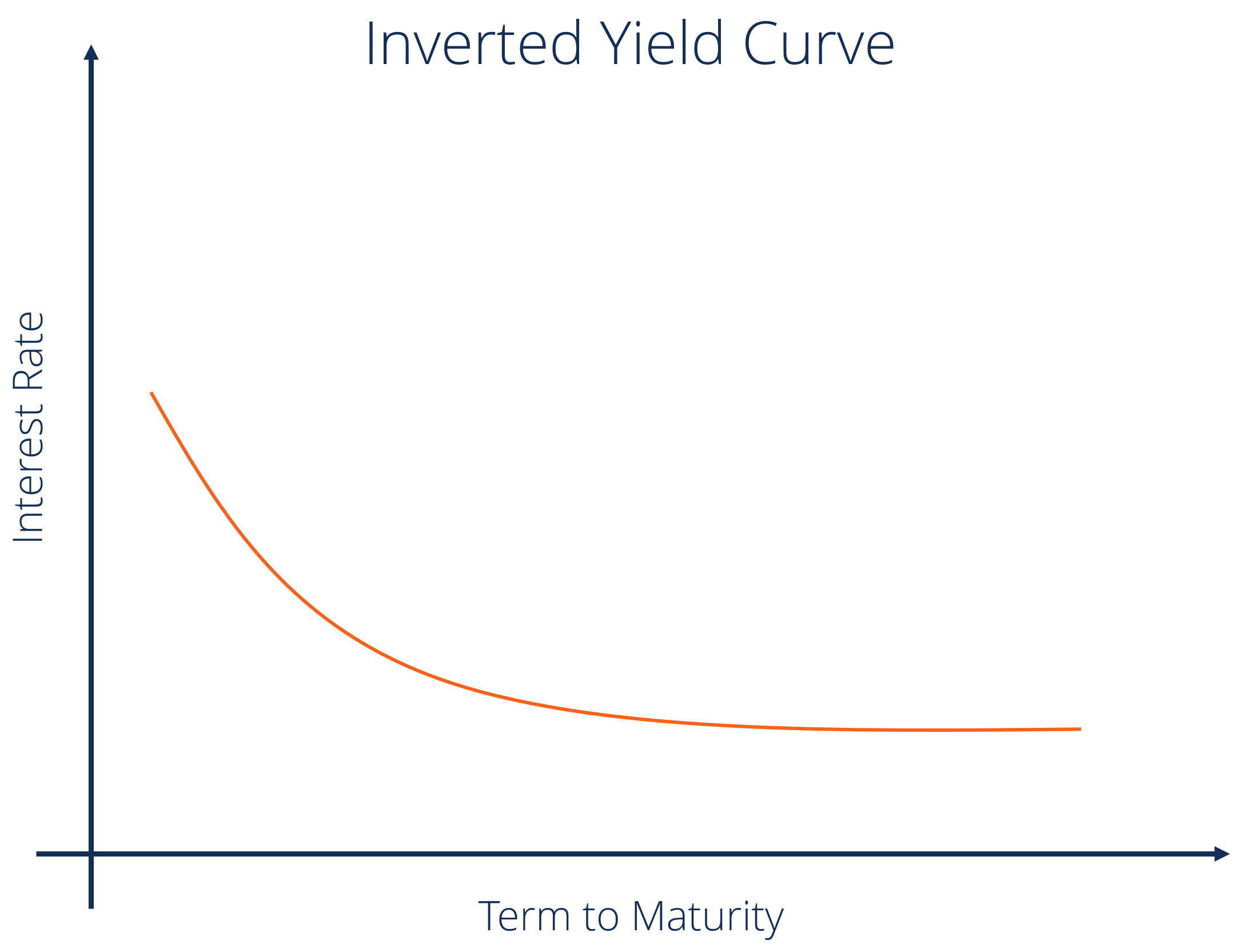
Therefore, investor preferences that favor short-term bonds over long-term bonds would give rise to the standard upward sloping yield curve, whereas investor preferences that favor long-term bonds over short-term bonds would give rise to the inverted yield curveInverted Yield CurveAn inverted yield curve often indicates the lead-up to a recession or economic slowdown. The yield curve is a graphical representation of the relationship between the interest rate paid by an asset (usually government bonds) and the time to maturity.. When the preferred habitat theory was first propagated, an upward sloping yield curve was the norm. Thus, the short term was known as the preferred habitat for bond market investors.
Additional Resources
CFI is the official provider of the Financial Modeling and Valuation Analyst (FMVA)™Become a Certified Financial Modeling & Valuation Analyst (FMVA)®CFI's Financial Modeling and Valuation Analyst (FMVA)® certification will help you gain the confidence you need in your finance career. Enroll today! certification program, designed to transform anyone into a world-class financial analyst.
To keep learning and developing your knowledge of financial analysis, we highly recommend the additional resources below!
- Fixed Income Fundamentals
- Bond RatingsBond RatingsBond ratings are representations of the creditworthiness of corporate or government bonds. The ratings are published by credit rating agencies and provide evaluations of a bond issuer’s financial strength and capacity to repay the bond’s principal and interest according to the contract.
- Equity vs. Fixed IncomeEquity vs Fixed IncomeEquity vs Fixed Income. Equity and fixed income products are financial instruments that have very important differences every financial analyst should know. Equity investments generally consist of stocks or stock funds, while fixed income securities generally consist of corporate or government bonds.
- Marketable SecuritiesMarketable SecuritiesMarketable securities are unrestricted short-term financial instruments that are issued either for equity securities or for debt securities of a publicly listed company. The issuing company creates these instruments for the express purpose of raising funds to further finance business activities and expansion.
-
Baby Bonds: A Comprehensive Guide to Investing in Children's Futures
As the name suggests, baby bonds are fixed-income securities with the size characteristics of babies in the sense that their par values are small. Baby bonds have a par valuePar ValuePar Value is the
-

Bandwagon Effect: Understanding Social Influence & Conformity
The bandwagon effect is the tendency of people to take certain actions or arrive at a conclusion primarily because other people are doing so. The phenomenon is observed in various fields, such as econ
invest
- Understanding the Cost of Preferred Stock: A Key Capital Metric
- Darvas Box Strategy: A Beginner's Guide to Profitable Trading
- Elliott Wave Theory: A Comprehensive Guide for Traders
- Understanding the Greater Fool Theory: Market Valuation & Irrational Exuberance
- Local Expectations Theory: Understanding Bond Yields & Term Structure
- Modern Portfolio Theory (MPT): Maximize Returns, Minimize Risk
- Random Walk Theory Explained: Understanding Market Price Movements
- Segmented Markets Theory: Understanding Bond Term Structure
- Understanding the Liquidity Preference Theory: A Comprehensive Explanation
-
 Understanding the Investment Accumulation Phase: Building Wealth Over Time
The accumulation phase refers to the time in the life cycle of an investment when an individual or an investor builds up the value of their annuity or investment. It is the second phase in the process...
-
 Stocks vs. Bonds: Understanding the Key Differences for Investors
If you’re a newbie investor, you may have no idea what you’re doing when it comes to investing in the stock market. If so, don’t feel bad – you’re not alone. According to Gallup, in 2019,...