
Understanding Dividend Policy: A Comprehensive Guide
A company’s dividend policy dictates the amount of dividends paid out by the company to its shareholders and the frequency with which the dividends are paid out. When a company makes a profit, they need to make a decision on what to do with it. They can either retain the profits in the company (retained earnings on the balance sheetBalance SheetThe balance sheet is one of the three fundamental financial statements. The financial statements are key to both financial modeling and accounting.), or they can distribute the money to shareholders in the form of dividends.
What is a Dividend?
A dividend is the share of profits that is distributed to shareholdersShareholderA shareholder can be a person, company, or organization that holds stock(s) in a given company. A shareholder must own a minimum of one share in a company’s stock or mutual fund to make them a partial owner. in the company and the return that shareholders receive for their investment in the company. The company’s management must use the profits to satisfy its various stakeholders, but equity shareholders are given first preference as they face the highest amount of risk in the company. A few examples of dividends include:
1. Cash dividend
A dividend that is paid out in cash and will reduce the cash reserves of a company.
2. Bonus shares
Bonus shares refer to shares in the company are distributed to shareholders at no cost. It is usually done in addition to a cash dividend, not in place of it.
Examples of Dividend Policies
The dividend policy used by a company can affect the value of the enterprise. The policy chosen must align with the company’s goals and maximize its value for its shareholders. While the shareholders are the owners of the company, it is the board of directorsBoard of DirectorsA board of directors is a panel of people elected to represent shareholders. Every public company is required to install a board of directors. who make the call on whether profits will be distributed or retained.
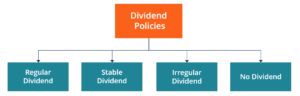
The directors need to take a lot of factors into consideration when making this decision, such as the growth prospects of the company and future projects. There are various dividend policies a company can follow such as:
1. Regular dividend policy
Under the regular dividend policy, the company pays out dividends to its shareholders every year. If the company makes abnormal profits (very high profits), the excess profits will not be distributed to the shareholders but are withheld by the company as retained earnings. If the company makes a loss, the shareholders will still be paid a dividend under the policy.
The regular dividend policy is used by companies with a steady cash flow and stable earnings. Companies that pay out dividends this way are considered low-risk investments because while the dividend payments are regular, they may not be very high.
2. Stable dividend policy
Under the stable dividend policy, the percentage of profits paid out as dividends is fixed. For example, if a company sets the payout rate at 6%, it is the percentage of profits that will be paid out regardless of the amount of profits earned for the financial year.
Whether a company makes $1 million or $100,000, a fixed dividend will be paid out. Investing in a company that follows such a policy is risky for investors as the amount of dividends fluctuates with the level of profits. Shareholders face a lot of uncertainty as they are not sure of the exact dividend they will receive.
3. Irregular dividend policy
Under the irregular dividend policy, the company is under no obligation to pay its shareholders and the board of directors can decide what to do with the profits. If they a make an abnormal profit in a certain year, they can decide to distribute it to the shareholders or not pay out any dividends at all and instead keep the profits for business expansion and future projects.
The irregular dividend policy is used by companies that do not enjoy a steady cash flow or lack liquidityLiquidityIn financial markets, liquidity refers to how quickly an investment can be sold without negatively impacting its price. The more liquid an investment is, the more quickly it can be sold (and vice versa), and the easier it is to sell it for fair value. All else being equal, more liquid assets trade at a premium and illiquid assets trade at a discount.. Investors who invest in a company that follows the policy face very high risks as there is a possibility of not receiving any dividends during the financial year.
4. No dividend policy
Under the no dividend policy, the company doesn’t distribute dividends to shareholders. It is because any profits earned is retained and reinvested into the business for future growth. Companies that don’t give out dividends are constantly growing and expanding, and shareholders invest in them because the value of the company stock appreciates. For the investor, the share price appreciation is more valuable than a dividend payout.
Final Word
The dividends and dividend policy of a company are important factors that many investors consider when deciding what stocks to invest in. Dividends can help investors earn a high return on their investment, and a company’s dividend payment policy is a reflection of its financial performance.
Additional Resources
CFI offers the Financial Modeling & Valuation Analyst (FMVA)™Become a Certified Financial Modeling & Valuation Analyst (FMVA)®CFI's Financial Modeling and Valuation Analyst (FMVA)® certification will help you gain the confidence you need in your finance career. Enroll today! certification program for those looking to take their careers to the next level. To keep learning and advancing your career, the following resources will be helpful:
- Capital Gains YieldCapital Gains YieldCapital gains yield (CGY) is the price appreciation on an investment or a security expressed as a percentage. Because the calculation of Capital Gain Yield involves the market price of a security over time, it can be used to analyze the fluctuation in the market price of a security. See calculation and example
- Dividend Discount ModelDividend Discount ModelThe Dividend Discount Model (DDM) is a quantitative method of valuing a company’s stock price based on the assumption that the current fair price of a stock
- Important Dividend DatesImportant Dividend DatesIn order to understand dividend-paying stocks, knowledge of important dividend dates is crucial. A dividend typically comes in the form of a cash distribution that is paid from the company's earnings to investors.
- Retained EarningsRetained EarningsThe Retained Earnings formula represents all accumulated net income netted by all dividends paid to shareholders. Retained Earnings are part
-

Understanding Dividends: A Comprehensive Guide
A dividend is a share of profits and retained earningsRetained EarningsThe Retained Earnings formula represents all accumulated net income netted by all dividends paid to shareholders. Retained Earnin
-
Understanding Financial Gearing: Debt & Leverage Explained
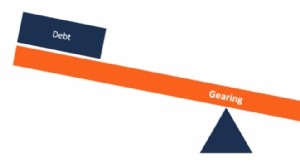
Gearing is the amount of debtNet DebtNet debt = total debt - cash. Net debt is a financial liquidity metric that measures a company’s ability to pay all its debts if they were due today. Compare
invest
- Understanding Dividend Yield: A Key Metric for Investors
- Understanding Forward Dividend Yield: A Key Metric for Investors
- Understanding Liquidating Dividends: A Comprehensive Guide
- Residual Dividend Policy: Definition, Pros & Cons
- Special Dividends: Understanding One-Time Distributions
- Understanding Stable Dividend Policies: A Comprehensive Guide
- Understanding Dividend Yield: A Comprehensive Guide
- Dividend Recapitalization: Definition & How It Works
- Strategic Dividend Policy Development for Sustainable Growth
-
 Acquirer Definition: Understanding Corporate Acquisitions
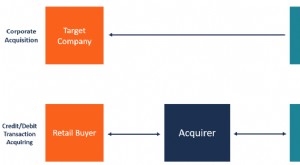
An acquirer is a registered company that purchases a portion of, or all the rights to, another company. The acquiring company takes over the management of another company by obtaining a majority stake...
-
 Understanding Clawbacks: Protecting Stakeholders from Failed Performance
What happens when a person promises to perform and then fails to deliver on their promises? Or what happens when it is found that a performance reportDue Diligence ReportExample due diligence report o...