
Kiwi Bonds: New Zealand Government Debt Explained
A kiwi bond is a type of investment that is issued by the New Zealand government and is only offered to New Zealand residents. It is a type of debt securityDebt SecurityA debt security is any debt that can be bought or sold between parties in the market prior to maturity. Its structure represents a debt owed issued by the New Zealand Debt Management Office on behalf of the government.

An investor can purchase kiwi bonds directly from the Reserve Bank of New Zealand. Or, they can purchase it through an intermediary, such as a bank, broker, accountantAccountantAn accountant plays a very crucial role in an organization, regardless of whether it is a multinational company or a small, domestic one., solicitor, or investment advisor.
The Kiwi bond’s unique name is tied to New Zealand’s culture and heritage. It is named after a native bird found in New Zealand.
Characteristics of a Kiwi Bond
- It is similar to a term deposit because both provide a fixed interest rate for a given period of time.
- It is only issued in New Zealand dollars.
- The minimum amount that an individual can invest in one bond is $1,000, and the maximum amount is $500,000.
- It comes with specific maturity dates for six months, one year, two years, or four years.
- It is redeemable on the maturity date or whenever an investor wants to cash out their investment.
- An application must be filled out and processed before an investor is allowed to purchase a kiwi bond. They can get an application form from the New Zealand Debt Management Office.
- It is the main choice of investments for residents in New Zealand. Even if an individual holds citizenship from New Zealand, they are not eligible to invest in a kiwi bond unless you are a resident living in New Zealand.
Interest Rates for a Kiwi Bond
Interest is paid quarterly to bondholders. The interest rates are set by the New Zealand Debt Management Office. As of July 2020, below are the most recent interest rates:
- 6 months: 0.25% per annum
- 1 year: 0.25% per annum
- 2 years: 0.50% per annum
- 4 years: 0.50% per annum
If the interest rate changes between the time an investor applies for the bond and the time that their application gets processed, there is the possibility that the new interest rate is lower than the interest rate on the day that they submitted their application. In such a case, they will get a choice of accepting the new interest rate or to cancel the application.
Advantages of Investing in a Kiwi Bond
Fixed interest rates offered are lower than interest rates on investments issued by a bank. Kiwi bonds however, come with a lower risk compared to investments issued by the bank because they are fully backed and secured by the government. Therefore, bonds are a safe investment option for New Zealand residents.
Additionally, it is a preferred choice of investment for residents because of the relatively stable economy in New Zealand and because the government holds a credit ratingCredit RatingA credit rating is an opinion of a particular credit agency regarding the ability and willingness an entity (government, business, or individual) to fulfill its financial obligations in completeness and within the established due dates. A credit rating also signifies the likelihood a debtor will default. of AA+, which is the second-highest debt rating in the world.
Since New Zealand is expected to report positive economic growth in the future, bondholders can also expect full repayment of their investment.
Additional Readings
CFI is the official provider of the Commercial Banking & Credit Analyst (CBCA)™Program Page - CBCAGet CFI's CBCA™ certification and become a Commercial Banking & Credit Analyst. Enroll and advance your career with our certification programs and courses. certification program, designed to transform anyone into a world-class financial analyst.
In order to help you become a world-class financial analyst and advance your career to your fullest potential, these additional resources will be very helpful:
- Bond PricingBond PricingBond pricing is the science of calculating a bond's issue price based on the coupon, par value, yield and term to maturity. Bond pricing allows investors
- Financial IntermediaryFinancial IntermediaryA financial intermediary refers to an institution that acts as a middleman between two parties in order to facilitate a financial transaction. The institutions that are commonly referred to as financial intermediaries include commercial banks, investment banks, mutual funds, and pension funds.
- Fixed Income TradingFixed Income TradingFixed income trading involves investing in bonds or other debt security instruments. Fixed income securities have several unique attributes and factors that
- Debt Capital MarketsDebt Capital Markets (DCM)Debt Capital Markets (DCM) groups are responsible for providing advice directly to corporate issuers on the raising of debt for acquisitions, refinancing of existing debt, or restructuring of existing debt. These teams operate in a rapidly moving environment and work closely with an advisory partner
-

Understanding Call Prices: Callable Bonds & Preferred Stocks
A call price refers to the price that a preferred stock or bond issuer would pay to buyers if they chose to redeem the callable security before the maturity date. The price is set during the issuance
-
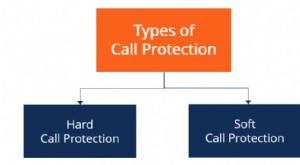
Understanding Call Protection in Bonds: Investor Protection Explained
Call protection refers to protection from investment risk to bond investors that exists by limiting the conditions under which a bond issuer may elect to call, i.e., redeem bonds before a bond’s
invest
- Personal Bond Explained: Release from Jail Without Bail
- Understanding Bond Duration: A Key Fixed Income Metric
- Coupon Bonds: Understanding Fixed Income & Interest Payments
- Discount Bonds: Understanding Pricing & Secondary Markets
- Understanding Noncallable Securities: A Comprehensive Guide
- Samurai Bonds: A Guide to Understanding Yen-Denominated Corporate Debt
- Treasury Bonds: A Comprehensive Guide to U.S. Government Debt
- Zero-Coupon Bonds: Definition, How They Work & Examples
- Understanding Bonds: A Comprehensive Guide for Investors
-
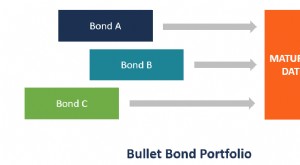 Bullet Bond Portfolios: A Comprehensive Guide
A bullet bond portfolio, commonly referred to as a bullet portfolio, is made up of a range of bullet bonds, from short-term to long-term bullet bonds. A bullet bond is a non-callable bondNon-Callable ...
-
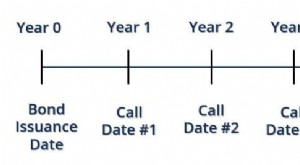 Understanding Call Dates: What You Need to Know
A call date refers to the date when a callable bondCallable BondA callable bond (redeemable bond) is a type of bond that provides the issuer of the bond with the right, but not the obligation, to rede...